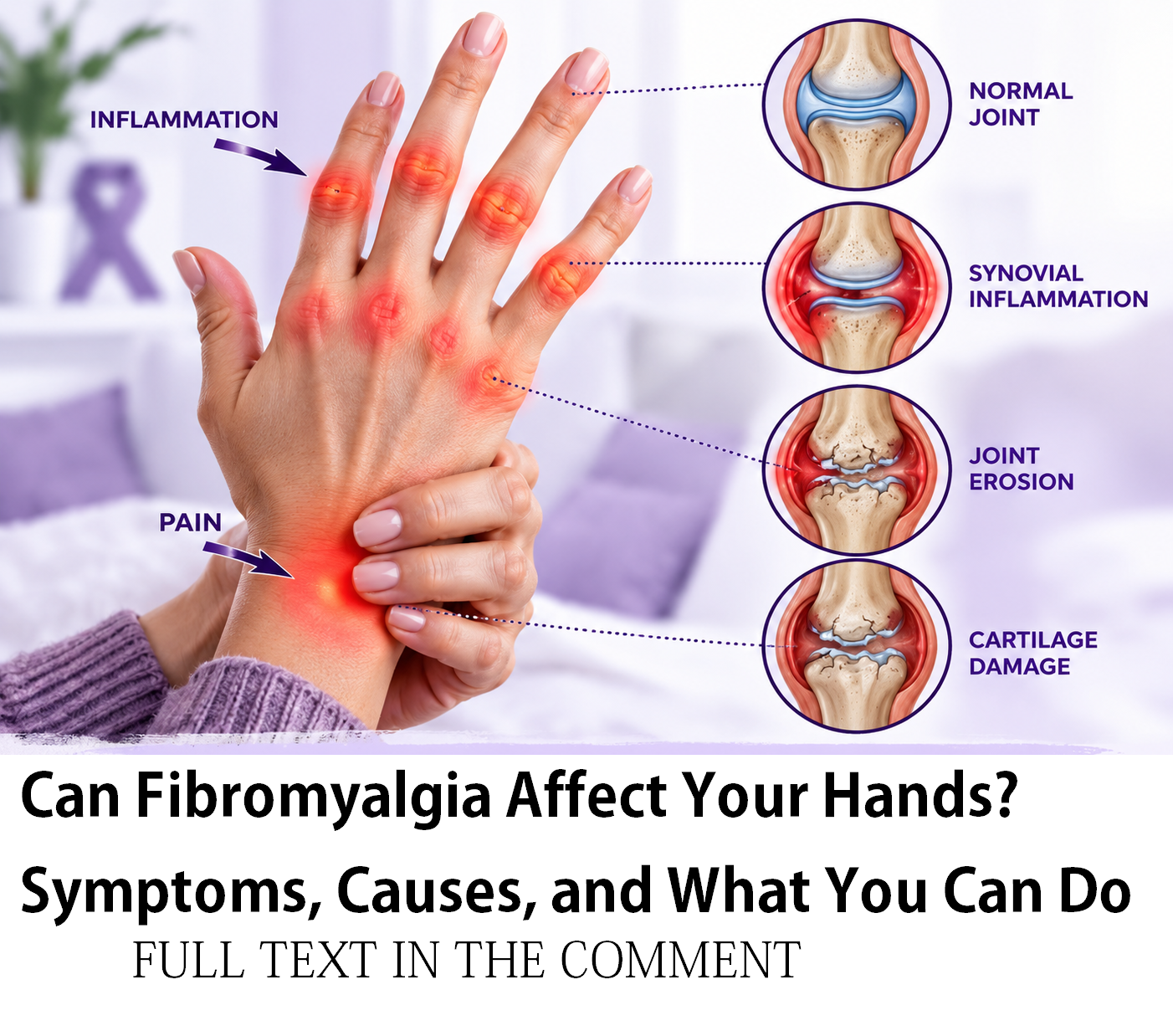
Can fibromyalgia affect your hands? Yes. Although fibromyalgia is best known for causing widespread pain and fatigue, it can also cause uncomfortable symptoms in the hands, fingers, wrists, and arms. Some people with fibromyalgia describe hand pain, stiffness, tenderness, burning, tingling, numbness, or a strange “pins and needles” sensation.
These symptoms can be especially frustrating because your hands are involved in so many everyday activities. Opening a jar, typing on a keyboard, holding a phone, writing, cooking, or even getting dressed can become uncomfortable during a flare.
Fibromyalgia does not typically damage the joints or muscles in the same way that inflammatory arthritis can. Instead, the condition is associated with changes in how the nervous system processes and responds to pain. This can make normal sensations feel unusually painful or uncomfortable.
So, if you have fibromyalgia and your hands suddenly feel sore, stiff, numb, or unusually sensitive, you may wonder whether the two are connected.
In this article, we’ll look at fibromyalgia hand pain, common hand symptoms, why your hands may hurt, how fibromyalgia differs from other causes of hand pain, and when you should speak with a healthcare professional.
Can Fibromyalgia Cause Hand Pain?
Yes, fibromyalgia can cause hand pain as part of its widespread pain and increased sensitivity.
Fibromyalgia pain can occur throughout the body, and symptoms often change in intensity. Some days your hands may feel relatively normal, while during a flare they may become sore, sensitive, stiff, or painful.
The pain can have different qualities. You might notice:
- Aching in the hands or fingers
- Burning or uncomfortable sensations
- Tenderness when touching the skin
- Stiffness after waking up
- Pain when gripping objects
- Increased sensitivity to pressure
- Tingling or pins and needles
- Numbness in the fingers or hands
- A feeling of heaviness or weakness
- Pain that becomes more noticeable during a fibromyalgia flare
The NHS notes that people with fibromyalgia may experience widespread pain, stiffness, increased sensitivity, and tingling, numbness, prickling, or burning sensations in the hands and feet.
This is one reason fibromyalgia and hand pain can sometimes be confusing. The symptoms may resemble other conditions involving the nerves, joints, or tendons.
Why Does Fibromyalgia Affect the Hands?
One important feature of fibromyalgia is altered pain processing.
In simple terms, the nervous system can become more sensitive to signals that would normally be interpreted as harmless or only mildly uncomfortable. This is sometimes described as abnormal pain perception or increased pain sensitivity.
For someone with fibromyalgia, a small amount of pressure on the hand may feel much more painful than expected. A normal temperature change may also feel uncomfortable.
This does not necessarily mean that the tissues in the hand are being damaged.
That distinction is important.
If your hands hurt because of fibromyalgia, the pain can be very real even when there is no obvious injury or inflammation visible in the hand.
What Does Fibromyalgia Hand Pain Feel Like?
There isn’t one specific type of fibromyalgia hand pain. People can experience it in different ways.
Some describe a deep, dull ache in the palms or fingers. Others experience burning, tenderness, or sensitivity to touch. Some people primarily notice stiffness, while others are more troubled by tingling or numbness.
Here are some common sensations you may notice.
1. Aching or Throbbing
Your hands may feel sore or tired, almost as though you have been using them all day.
The discomfort may become more noticeable after repetitive activities such as typing, cleaning, cooking, or using tools.
2. Hand and Finger Stiffness
Fibromyalgia hand stiffness may be particularly noticeable in the morning or after staying in one position for a long time.
You might feel as though your fingers need time to “loosen up” before they move comfortably.
Fibromyalgia commonly causes stiffness throughout the body, and morning stiffness is a frequently reported symptom.
3. Tingling and Pins and Needles
Some people with fibromyalgia experience tingling in their hands or a pins-and-needles sensation.
It may feel like tiny electrical sensations, prickling, or buzzing beneath the skin.
The NHS specifically lists tingling, numbness, prickling, and burning sensations in the hands and feet among possible fibromyalgia symptoms.
4. Numbness
Fibromyalgia and hand numbness can occur together, although persistent numbness should not automatically be blamed on fibromyalgia.
Hand numbness has many possible causes, including nerve compression, carpal tunnel syndrome, diabetes, vitamin B12 deficiency, cervical spine problems, and peripheral neuropathy.
That is why new, persistent, or worsening numbness deserves medical evaluation.
5. Burning or Sensitive Hands
Your hands may sometimes feel hot, burning, or unusually sensitive even when there is no obvious injury.
Fibromyalgia can involve increased sensitivity to pain and touch. Some people experience allodynia, where an otherwise harmless stimulus, such as light touch, can feel painful.
For example, wearing tight gloves or having someone squeeze your hand may feel much more uncomfortable than expected.
Fibromyalgia Hand Pain vs. Arthritis: What’s the Difference?
One of the most common questions is whether painful hands automatically mean arthritis.
Not necessarily.
Fibromyalgia and arthritis can both cause pain and stiffness, but they are different conditions.
Fibromyalgia is primarily associated with widespread pain and altered pain processing. Arthritis, depending on the type, can involve inflammation or structural changes within joints.
The CDC notes that fibromyalgia causes widespread pain and stiffness and can occur alongside other conditions, including osteoarthritis, rheumatoid arthritis, and lupus.
This means that a person can have both fibromyalgia and arthritis.
Certain symptoms may make another condition more likely. For example, a visibly swollen, warm, or persistently inflamed joint should not simply be assumed to be a fibromyalgia symptom.
Likewise, significant weakness, progressive numbness, or symptoms affecting a specific nerve distribution may suggest another problem.
A healthcare professional can help determine whether your hand symptoms are related to fibromyalgia, another condition, or more than one condition occurring at the same time.
Can Fibromyalgia Cause Swollen Hands?
Some people with fibromyalgia report that their hands or feet feel swollen or puffy, particularly during symptom flares.
However, the sensation of swelling is not necessarily the same as having significant physical swelling caused by joint inflammation.
If your fingers or hands are visibly swollen, red, hot, or painful, it is worth getting them evaluated rather than assuming fibromyalgia is responsible.
There are many possible explanations for hand swelling, including arthritis, injury, tendon problems, fluid retention, infection, and other medical conditions.
A healthcare professional can examine the affected area and determine whether there is actual swelling and what might be causing it.
Why Are My Hands Worse During a Fibromyalgia Flare?
Fibromyalgia symptoms can fluctuate. A person may have relatively manageable symptoms for several days and then experience a period when pain, fatigue, stiffness, and sensitivity become much more intense.
During a flare, fibromyalgia hand pain may become more noticeable.
Several factors may contribute to symptom worsening, including:
- Poor or disrupted sleep
- Physical overexertion
- Emotional stress
- Repetitive hand activities
- Long periods without movement
- Changes in activity levels
- Other illnesses or physical stressors
The NHS notes that fibromyalgia symptoms can become better or worse depending on factors such as stress, weather changes, and physical activity.
This can create a frustrating cycle. You may use your hands more than usual on a busy day, experience increased discomfort afterward, and then find that the pain affects your ability to perform normal tasks.
Understanding your individual triggers can help you recognize patterns.
How Can You Manage Fibromyalgia Hand Pain?
There is no single treatment that works for everyone with fibromyalgia. Management usually focuses on reducing symptoms and improving everyday function.
The CDC notes that fibromyalgia does not currently have a cure, but symptoms can be managed through self-care, therapies, and medicines.
If your hands are affected, some practical approaches may help.
Gentle Movement
Completely avoiding movement can sometimes make stiffness more noticeable.
Gentle finger and wrist movements may help you maintain mobility. You might slowly open and close your hands, move your wrists through a comfortable range, or gently stretch your fingers.
The goal is not to force painful movements. Start slowly and stop if an activity causes significant pain.
Take Breaks From Repetitive Activities
If typing, texting, gaming, crafting, or other repetitive tasks make your hands worse, consider taking regular breaks.
Changing your hand position and avoiding prolonged repetitive movements may reduce strain.
Use Heat Carefully
Some people find warmth soothing when their hands feel stiff.
A warm shower or comfortably warm compress may help relax tense muscles and make movement easier.
Avoid temperatures that are excessively hot, especially if you have reduced sensation in your hands.
Pay Attention to Sleep
Poor sleep and fibromyalgia often go hand in hand. Since sleep problems can contribute to an overall increase in symptoms, improving sleep habits may be an important part of managing flares.
Instead of focusing only on the hands, consider the bigger picture: sleep, activity, stress, fatigue, and pain can all interact.
Keep a Symptom Journal
If your hand symptoms keep returning, consider recording:
- When the pain starts
- Which fingers or areas are affected
- What the sensation feels like
- What you were doing beforehand
- How long it lasts
- Whether you had poor sleep
- Whether other fibromyalgia symptoms were worse
Over time, this may reveal patterns that are useful when discussing symptoms with your healthcare provider.
When Should You See a Doctor About Hand Symptoms?
It is important not to assume every hand symptom is caused by fibromyalgia.
Persistent or recurring numbness, tingling, weakness, or pain may have another cause. Conditions such as carpal tunnel syndrome, peripheral neuropathy, nerve compression, diabetes, vitamin B12 deficiency, and neck problems can cause symptoms in the hands.
You should consider medical evaluation if:
- Hand numbness keeps returning
- Numbness becomes persistent
- Symptoms are getting progressively worse
- You develop noticeable weakness
- You frequently drop objects
- Pain is affecting normal daily activities
- Your hands become visibly swollen
- A particular finger or part of the hand becomes numb
- Symptoms occur after an injury
- You have significant burning or shooting pain
Mayo Clinic recommends medical evaluation for persistent or spreading hand numbness, particularly when symptoms gradually worsen, recur, affect both sides, or interfere with activities.
When Is Hand Numbness an Emergency?
Sudden numbness should be treated differently from the chronic or fluctuating symptoms that can occur with fibromyalgia.
Seek emergency medical attention if hand or arm numbness begins suddenly, particularly if it occurs with weakness or paralysis, confusion, trouble speaking, dizziness, or a sudden severe headache. These can be warning signs of a serious neurological problem.
Don’t assume sudden neurological symptoms are simply a fibromyalgia flare.
Frequently Asked Questions About Fibromyalgia and Hands
Can fibromyalgia cause pain in the fingers?
Yes. Fibromyalgia can cause widespread pain and increased sensitivity, and some people experience discomfort in their fingers and hands. The pain may feel achy, burning, tender, or unusually sensitive.
Can fibromyalgia cause numbness in your hands?
Numbness and tingling can occur with fibromyalgia. However, persistent or worsening numbness can also have other causes, so it should be evaluated rather than automatically attributed to fibromyalgia.
Can fibromyalgia cause tingling in your hands?
Yes. Tingling, prickling, burning, and pins-and-needles sensations in the hands and feet are reported symptoms associated with fibromyalgia.
Does fibromyalgia cause swollen fingers?
Some people report a sensation of swelling or puffiness, but visible swelling can have many causes. If your fingers are noticeably swollen, warm, red, or painful, talk with a healthcare professional.
Can fibromyalgia make your hands stiff?
Yes. Fibromyalgia can cause generalized stiffness, which may be more noticeable after waking or remaining in one position for an extended period.
Is hand pain always a sign of fibromyalgia?
No. Hand pain can have many causes, including arthritis, tendon problems, nerve compression, injuries, and peripheral neuropathy. Fibromyalgia is only one possible explanation.
Final Thoughts
So, can fibromyalgia affect your hands? Yes. Fibromyalgia can be associated with hand pain, stiffness, tenderness, burning, tingling, numbness, and increased sensitivity.
For some people, these symptoms are mild and occasional. For others, hand discomfort can interfere with everyday activities such as typing, cooking, writing, gripping objects, or using a phone.
The important thing is to look at the whole pattern rather than focusing on one symptom. Fibromyalgia commonly involves widespread pain, fatigue, sleep problems, and increased sensitivity, and hand symptoms can occur as part of that broader picture.
At the same time, persistent numbness, significant weakness, visible swelling, or sudden neurological symptoms should not automatically be blamed on fibromyalgia. Other conditions can produce very similar symptoms and may require different treatment.
If your hand symptoms are new, persistent, worsening, or interfering with daily life, speaking with a healthcare professional is the safest way to determine what is really causing them.